When buying a home or building a new one, many focus on visible features like the roof, flooring, and appliances. Yet, one of the most damaging threats often remains hidden: termite activity. Termites can silently destroy wooden structures for years before any signs become obvious. A professional termite inspection, also called a Wood Destroying Organism (WDO) inspection, uncovers this hidden damage and helps protect your investment from costly repairs.
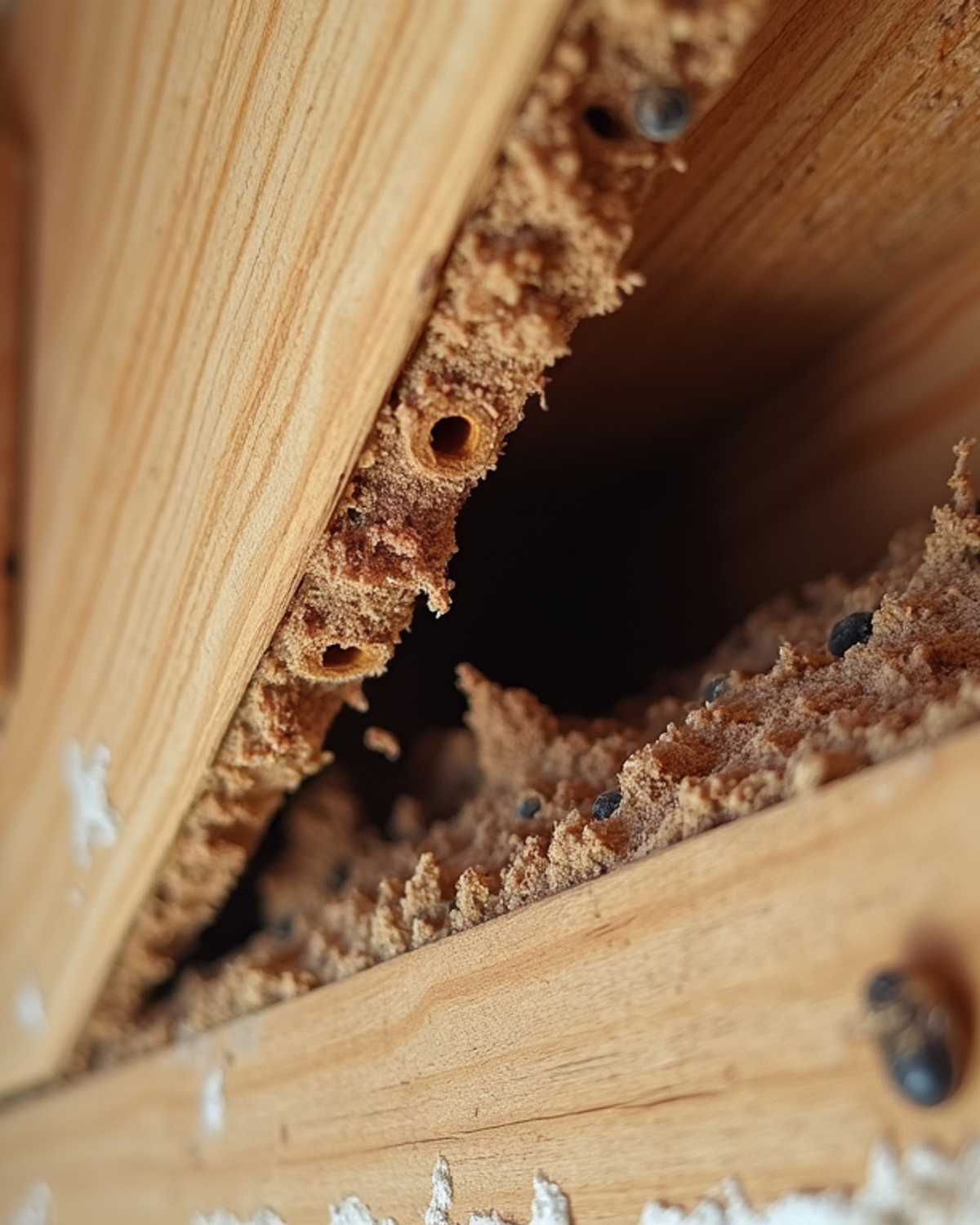
Close-up view of termite damage in wooden framing
What Is a Termite Inspection and Why It Matters
A termite inspection is a detailed check of a property to find signs of current or past termite activity and conditions that encourage infestations. Inspectors look for:
- Live termites or active colonies
- Mud tubes along foundations or walls
- Wood damage such as hollow or weakened beams
- Frass, which are termite droppings, or discarded wings
- Moisture issues that attract termites
Termites often live hidden behind walls, under floors, or inside structural wood. Without a proper inspection, damage can go unnoticed until it threatens the building’s safety. Untreated termite damage weakens the structure and leads to expensive repairs that could have been avoided.
Why Termite Inspections Are Essential During Home Inspections
Adding a termite inspection to your standard home inspection is a smart choice for any buyer. While a general home inspection covers major systems like plumbing, electrical, and roofing, a termite inspection focuses specifically on wood-destroying pests. This focused approach offers several benefits:
- Early detection
- : Spot termite problems before they worsen
- Stronger negotiations
- : Ask for treatment or repairs before closing the sale
- Convenience
- : Schedule termite and home inspections together
- Complete understanding
- : Get a full picture of the home’s condition
For example, a buyer might discover termite damage hidden behind drywall that a regular inspection would miss. This knowledge allows them to negotiate repairs or treatment with the seller, potentially saving thousands of dollars.
Termite Inspections for New Builds
Termite inspections are not just for existing homes. New builds also benefit from termite checks to ensure the construction site and materials are free from infestation. Early detection in new builds helps:
- Prevent future damage by addressing termite risks before construction finishes
- Confirm that treated wood and barriers are properly installed
- Avoid costly repairs or delays after moving in
Builders who include termite inspections as part of their quality control reduce the risk of structural problems and protect homeowners’ investments.
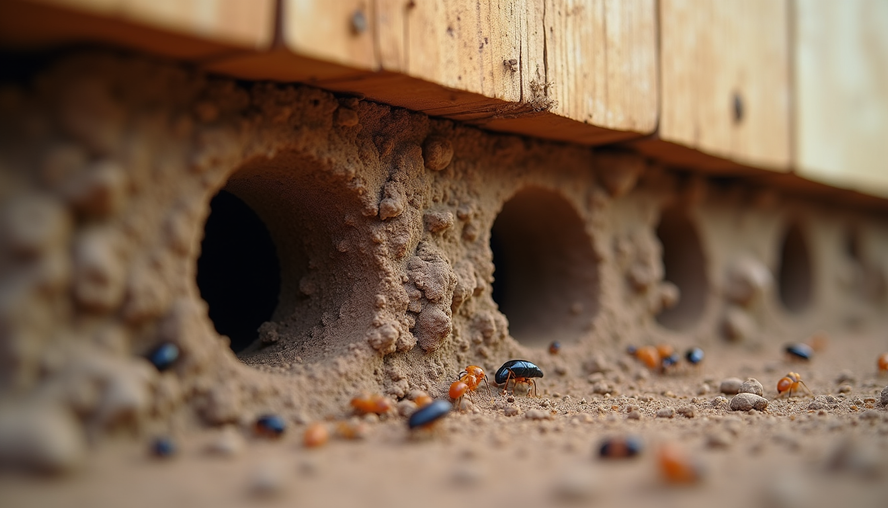
Eye-level view of termite mud tubes along a wooden foundation
What to Expect During a Termite Inspection
A termite inspection usually takes 30 to 60 minutes depending on the property size. The inspector examines:
- The foundation and exterior walls for mud tubes or damage
- Crawl spaces and basements for moisture and wood condition
- Wooden framing and support beams inside the home
- Areas around plumbing and HVAC systems where moisture collects
After the inspection, you receive a detailed report outlining any findings, recommendations for treatment, and repair estimates if needed. This report is a valuable tool for buyers, sellers, and builders alike.
Protecting Your Investment with Regular Inspections
Termite damage can escalate quickly if left unchecked. Scheduling regular termite inspections, especially in termite-prone regions, helps catch problems early. Homeowners should consider inspections:
- Before buying or selling a home
- After floods or heavy rains that increase moisture
- Every few years as part of routine maintenance
By staying proactive, you protect your home’s structure and avoid unexpected repair costs.
Related Patterson 360 Services
- WDIIR Termite Inspection — Wood-destroying insect inspection and report.
- Residential Home Inspections — Essential, Signature, Premier, and Luxury 360 packages.
Ready to book? Schedule your inspection online, request a free quote, or call/text 623-303-9344. Patterson 360 serves Phoenix, Scottsdale, and the Greater Phoenix area.