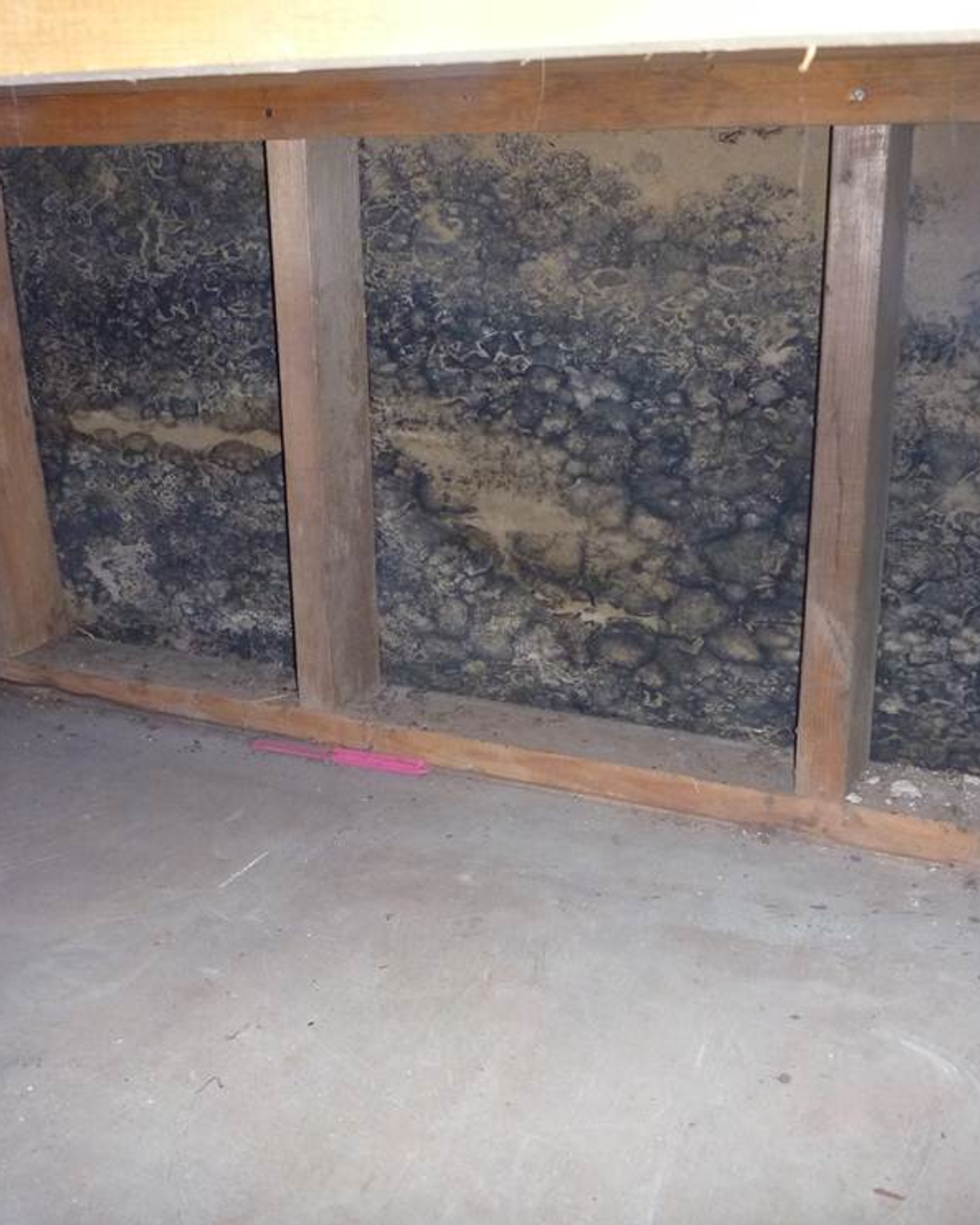
Mold is more than just an unsightly nuisance—it's a serious health and property concern that can silently compromise both building integrity and human health. As a professional inspector, I've seen firsthand the devastating effects of unchecked mold growth.
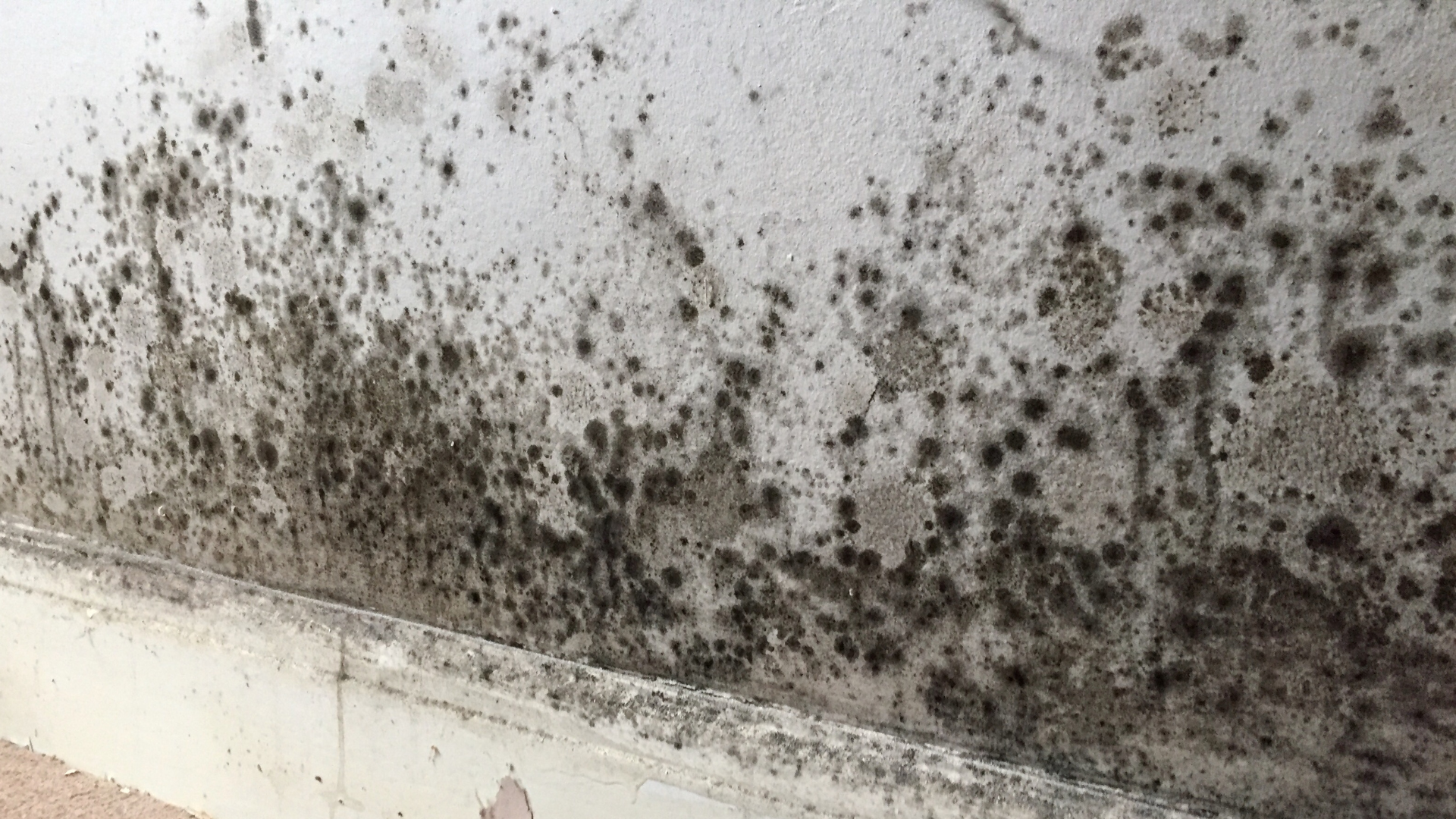
Understanding Mold: The Basics
Mold is a type of fungus that thrives in moist, warm environments. It reproduces through tiny, lightweight spores that can easily travel through air and spread quickly. Mold can grow on virtually any surface with moisture: walls, ceilings, carpets, furniture, and even inside HVAC systems.
Health Risks Associated with Mold Exposure
Mold isn't just a cosmetic issue—it poses significant health risks:
Respiratory Problems: Persistent coughing, Wheezing, Shortness of breath, Exacerbation of asthma symptoms
Allergic Reactions: Nasal congestion, Skin rashes, Eye irritation, Sinus infections
Serious Health Complications: Immune system suppression, Neurological symptoms, Potential long-term respiratory issues, Increased risk for individuals with pre-existing conditions
Common Mold Hotspots
Bathrooms and Kitchen Areas High humidity environments Frequent water exposure Poor ventilation Basement and Underground Spaces Natural moisture accumulation Limited air circulation Often overlooked in regular maintenance
HVAC Systems Condensation buildup Dark, damp internal components Potential for widespread spore distribution Roof and Wall Leaks Water intrusion points Hidden growth behind walls Often undetected until significant damage occurs
Comprehensive Mold Prevention Strategies
1. Moisture Control
Maintain indoor humidity levels below 50% Use dehumidifiers in high-moisture areas Quickly repair any water leaks Ensure proper building drainage Implement routine moisture inspections
2. Ventilation Improvements
Install exhaust fans in bathrooms and kitchens Ensure proper HVAC system maintenance Use air purifiers with HEPA filters Encourage regular air circulation
3. Building Envelope Management
Seal potential water entry points Inspect and maintain roof integrity Check window and door seals Use water-resistant building materials
4. Regular Professional Inspections
Conduct quarterly mold assessments Use advanced moisture detection technology Perform comprehensive air quality testing Document and track potential risk areas
Professional Mold Testing and Remediation
When mold is detected, professional intervention is crucial:
- Comprehensive spore testing
- Identification of mold species
- Detailed remediation plan
- Safe removal techniques
- Post-remediation verification
Technology in Mold Detection
Modern inspection technologies include:
- Infrared thermal imaging
- Moisture meter scanning
- Air quality sampling
- SAMPLE AIR QUALITY TEST REPORT
Mold prevention is a critical aspect of responsible property management. By understanding risks, implementing proactive strategies, and investing in professional inspections, you can protect both your property and the health of its occupants.
Remember: When it comes to mold, early detection and prevention are always better than cure.
Don’t wait until mold causes costly damage or health issues. Contact us now for comprehensive mold testing and expert remediation to safeguard your property and well-being!
623-303-9344 www.AZPPinspection.com Office@Patterson360.com
Related Patterson 360 Services
- Mold & Air Quality Testing — Air sampling for indoor environmental concerns.
- Targeted Diagnostic Inspections — Focused roof, plumbing, moisture, structural, or electrical evaluations.
Ready to book? Schedule your inspection online, request a free quote, or call/text 623-303-9344. Patterson 360 serves Phoenix, Scottsdale, and the Greater Phoenix area.