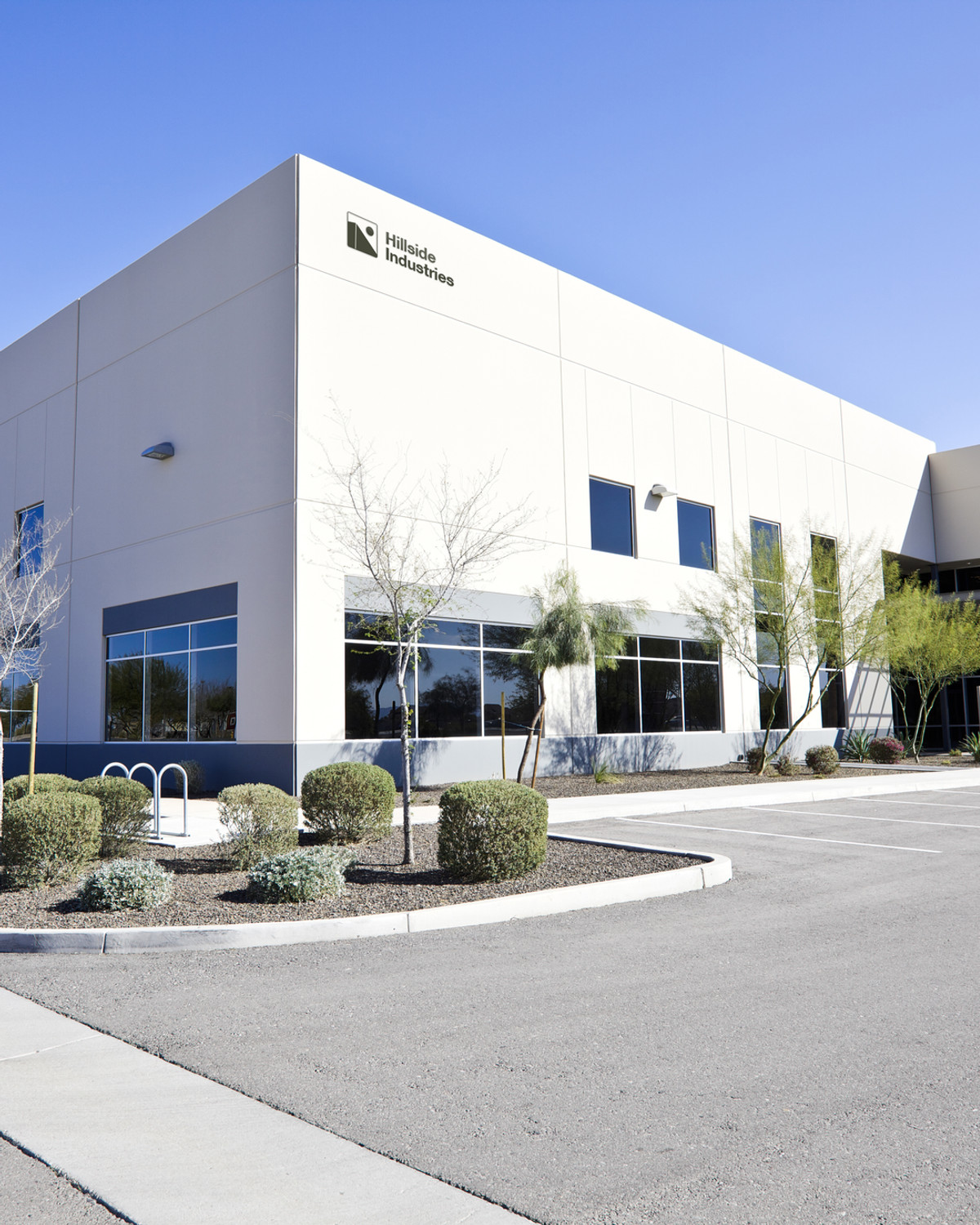
Commercial property inspections are critical for maintaining the value, safety, and functionality of commercial real estate. As professional commercial inspector, we've seen firsthand how thorough inspections can prevent costly repairs, ensure compliance, and protect property investments. Let's dive into the different types of commercial property inspections that every property owner and manager should know about.
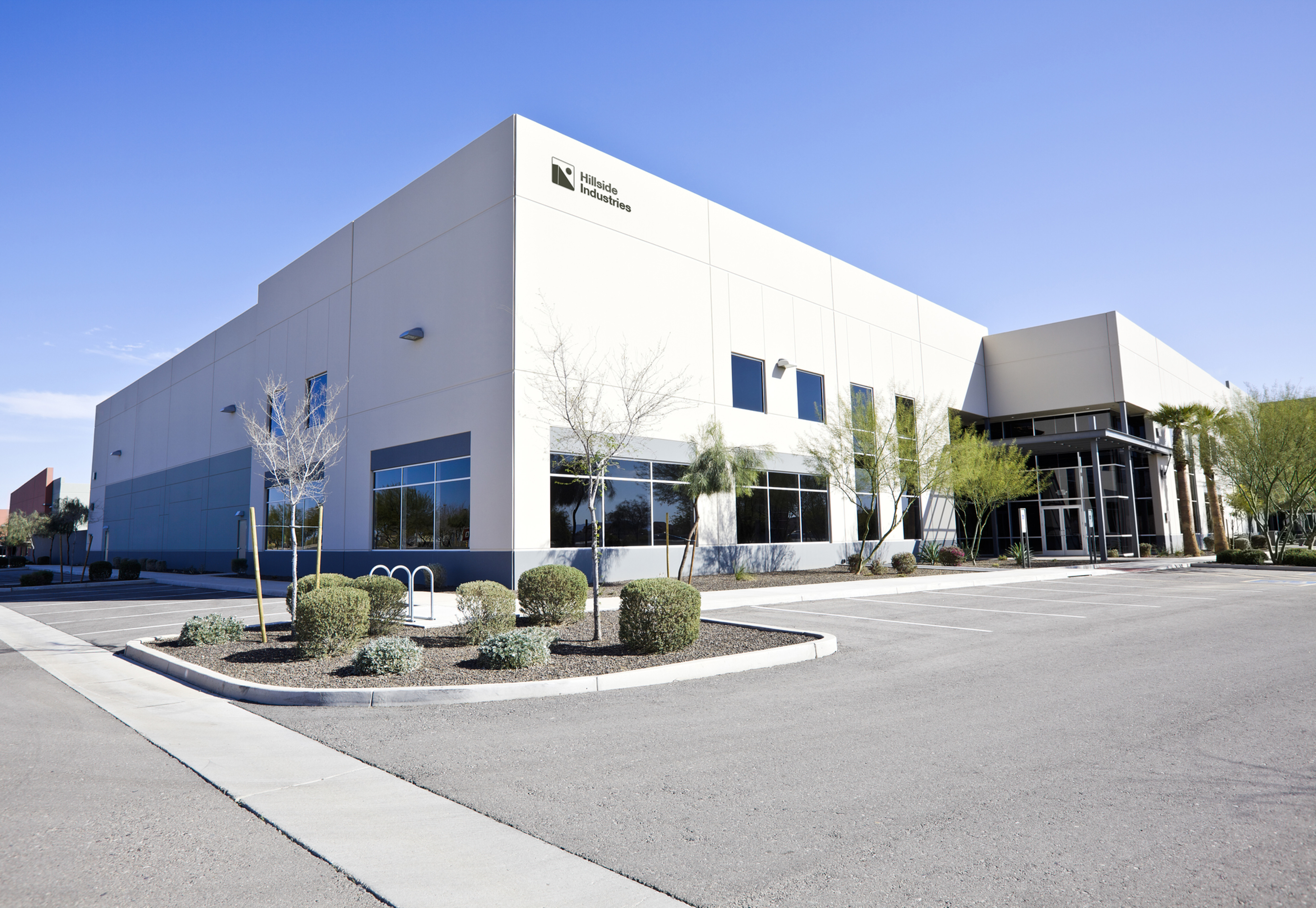
1. Baseline Property Condition Assessment (PCA)
A Baseline Property Condition Assessment is the most comprehensive type of commercial property inspection. This in-depth evaluation provides a complete snapshot of a property's current condition, typically conducted:
- During property acquisition
- Before major investment or renovation
- As part of long-term property management strategy
The PCA covers:
- Structural integrity
- Mechanical systems
- Electrical and plumbing infrastructure
- Roof condition
- Environmental considerations
2. Routine Maintenance Inspections
These regular inspections are the backbone of proactive property management. Conducted typically quarterly or semi-annually, routine maintenance inspections focus on:
- Identifying minor issues before they become major problems
- Ensuring all building systems are functioning correctly
- Checking for potential safety hazards
- Verifying ongoing compliance with maintenance standards
3. Specialized System Inspections
Different commercial properties require targeted inspections of specific systems:
Electrical System Inspection
Evaluates electrical panel conditions Checks wiring integrity Assesses load capacity Identifies potential fire risks
HVAC System Inspection
Examines heating and cooling systems Measures energy efficiency Checks air quality Ensures proper ventilation
Plumbing System Inspection
Inspects pipe conditions Checks for potential leaks Evaluates water pressure Assesses drainage systems Evaluates for obstruction or blockages
4. Commercial Draw Inspections
These types of inspections are performed at stages during the building process to ensure that the lender contractor, and site owner are all in agreement of the project's progress and finances.
Focuses on:
- Photos taken throughout the building process
- Evaluate percentage complete during different stages
- Documentation of building process and materials purchased
- Ensuring project is being completed along set timeline.
5. Pre-Lease and Post-Lease Inspections
Crucial for commercial real estate transactions:
- Pre-Lease: Documenting property condition before tenant occupancy
- Post-Lease: Identifying any damages or required repairs after tenant departure
Pro Tips for Property Owners
Schedule inspections regularly Keep detailed documentation Address issues promptly Work with certified professional inspectors Budget for potential repairs and upgrades
Comprehensive Commercial Property Inspections in Arizona: Ensuring Your Investment’s Integrity
Are you a savvy investor, diligent real estate agent, or astute broker scouting for prime commercial properties in Arizona? Investing in commercial real estate can be a lucrative venture, but it comes with its fair share of risks and uncertainties. That’s where Patterson 360 steps in to offer peace of mind through meticulous commercial property inspections across the state of Arizona.
Why Opt for Commercial Property Inspections in Arizona?
Arizona’s bustling real estate market presents a wealth of opportunities, from vibrant metropolitan areas to promising suburban regions. However, beneath the surface, commercial properties may harbor hidden flaws or structural issues that could potentially turn into costly nightmares if left unchecked. By partnering with Patterson 360, you gain access to comprehensive assessments that reveal both evident and latent concerns.
Our Specialized Approach At Patterson 360, we understand the unique nuances of commercial properties. Our seasoned inspectors meticulously scrutinize every aspect, evaluating the structural integrity, electrical systems, plumbing, HVAC, roofing, and more. Our comprehensive reports provide a detailed analysis, empowering investors, agents, and brokers with crucial insights to make informed decisions.
Unveiling Hidden Risks Investing in commercial real estate involves substantial capital, and any unforeseen issues can significantly impact your return on investment. With our in-depth inspections, we unearth potential risks early on, enabling proactive measures to address them before they escalate into costly problems. Our goal is to provide you with a clear understanding of the property’s condition, allowing you to negotiate confidently and protect your investment.
Why Choose Patterson 360?
Expertise: Our inspectors are highly trained professionals with extensive experience in evaluating diverse commercial properties.
Thoroughness: We leave no stone unturned, conducting meticulous inspections to ensure a comprehensive assessment.
Transparency: Our detailed reports offer transparent insights into the property's condition, enabling informed decisions.
Timeliness: We understand the importance of timelines in real estate transactions and strive to deliver prompt inspection reports.
Investing in commercial properties in Arizona holds immense potential, but it’s crucial to mitigate risks through thorough inspections. Patterson 360 stands as your trusted partner, delivering comprehensive assessments to safeguard your investments. Let our expertise be your guide as you navigate the exciting realm of commercial real estate in Arizona.
Conclusion
Commercial property inspections are not just a regulatory requirement—they're a strategic investment in your property's longevity, safety, and value. By understanding and implementing these different types of inspections, property owners can protect their assets, ensure tenant satisfaction, and maintain optimal property performance.
Remember, every commercial property is unique. Consulting with a professional commercial inspector can help you develop a tailored inspection strategy that meets your specific needs.
Call or email us today to discuss more about your project!
623-303-9344 www.AZPPinspection.com Office@Patterson360.com
Related Patterson 360 Services
- Commercial Property Inspections — Due diligence, PCAs, and specialty evaluations.
- Property Condition Assessments (PCA) — ASTM E2018-24 assessments for commercial properties.
- Construction Draw Inspections — Progress verification for lenders and builders.
Ready to book? Schedule your inspection online, request a free quote, or call/text 623-303-9344. Patterson 360 serves Phoenix, Scottsdale, and the Greater Phoenix area.