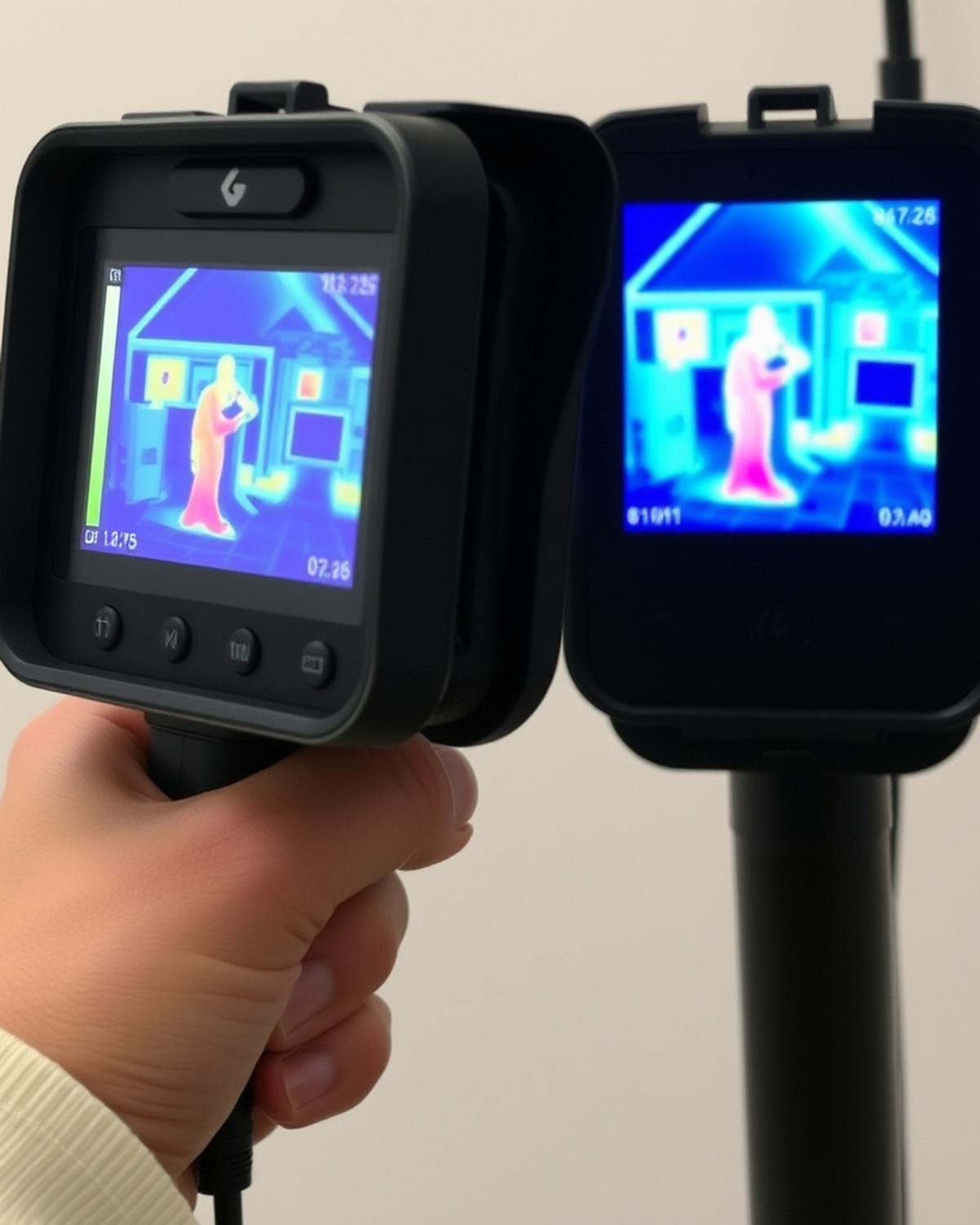
Thermal imaging inspections are one of the most valuable tools used during a home inspection—but how reliable are they, especially in Phoenix’s extreme climate?
🔍 What Thermal Imaging Actually Does
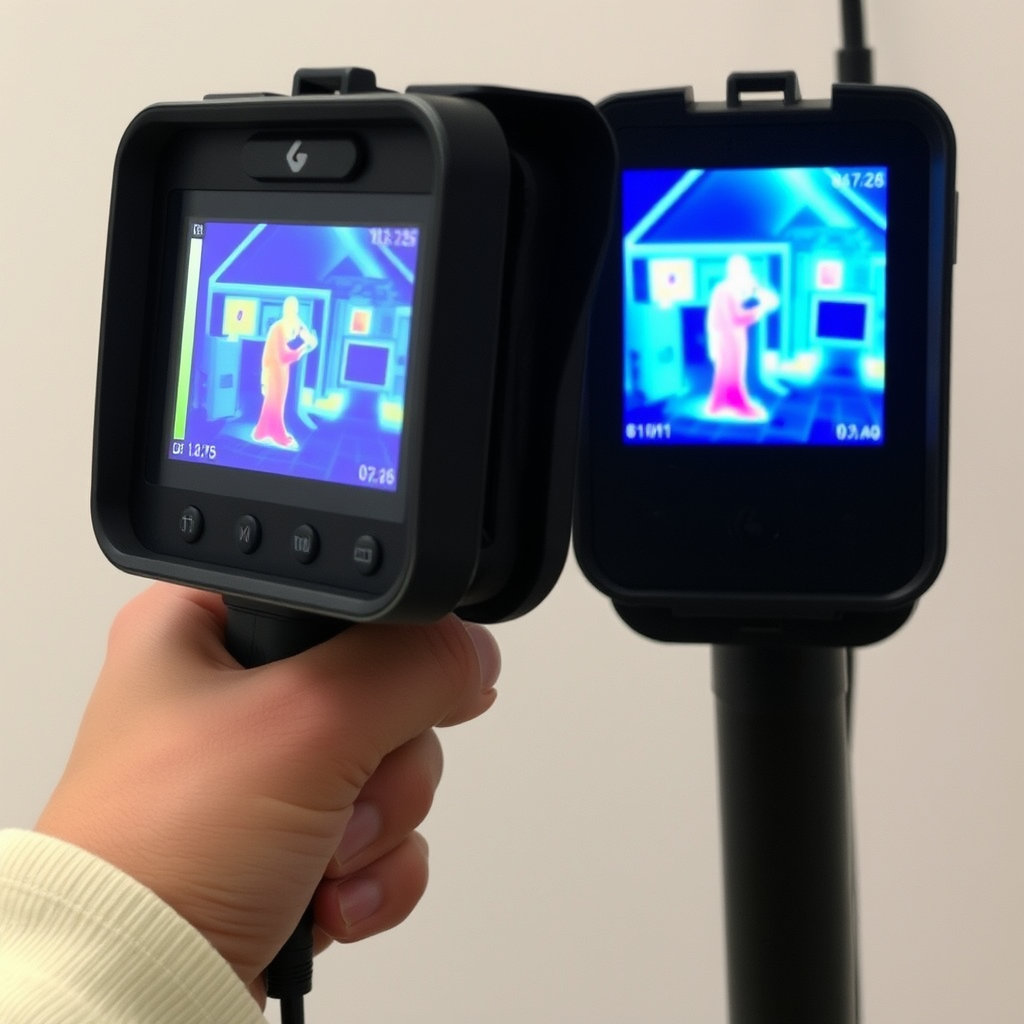
Thermal cameras detect temperature differences , not defects themselves.
This means they help inspectors identify:
- Hidden moisture behind walls or ceilings
- Insulation gaps (very common in Phoenix attics)
- Electrical hot spots (potential fire hazards)
- HVAC performance issues
- At Patterson 360, thermal imaging is used as a
- supporting diagnostic tool
- , not a standalone conclusion.
- Follow us on
- TikTok
- to learn more about
- Thermal Camera Imaging
as well as other educational content for home inspections:
- @
- BestinspectorAZ
🌵 Phoenix-Specific Reliability Factors
Phoenix homes present unique conditions:
- 1. Extreme heat improves detection
- Strong temperature differences make issues easier to spot
- 2. Flat roofs + stucco construction
- Thermal cameras can help detect trapped moisture or heat anomalies
- 3. HVAC strain
- With AC systems running constantly, thermal imaging helps identify inefficiencies early
⚠️ Limitations (What Most Companies Don’t Tell You)
Thermal imaging is powerful—but not perfect:
- It
- cannot see through walls
- It only detects temperature differences (not the root cause)
- False positives can occur without proper interpretation
- That’s why experience matters.
✅ When Thermal Imaging Is MOST Reliable
During hot afternoons in Phoenix ☀️ When HVAC systems are actively running When used alongside moisture meters and visual inspection
Seeing the Unseen: How Thermal Imaging Protects Your Property Investment
When you walk through a property, you notice the obvious—fresh paint, new fixtures, or an open floor plan. But what about the things you can’t see? Hidden issues often lurk behind walls, ceilings, and floors, waiting to surprise homeowners and investors with costly repairs.
That’s where thermal camera imaging changes the game.
At Patterson 360, we use state-of-the-art infrared technology to go beyond the surface. Thermal imaging allows us to detect subtle temperature differences that reveal problems invisible to the naked eye—helping you make informed decisions with clarity and confidence.
Why Thermal Imaging Matters
Whether you’re buying, selling, or managing an investment property, thermal imaging adds an extra layer of protection. Here are three of the most common hidden issues it uncovers:
1. Moisture Intrusion
Water leaks don’t always leave visible stains right away. Trapped moisture behind drywall or flooring creates cooler spots that thermal cameras can detect. Catching these early means addressing small repairs before they escalate into mold, structural damage, or major expenses.
2. Insulation Gaps
Poor insulation doesn’t just make a home less comfortable—it drives up utility costs. Infrared scans reveal where heat is escaping or cold air is seeping in, so you can target improvements that save money and energy long-term.
3. Electrical Hotspots
Overloaded or failing circuits can overheat without warning. Thermal imaging identifies these hotspots quickly, reducing fire risk and helping electricians make precise, safe repairs.
The Benefit to You
Integrating thermal imaging into your inspection means:
Clear answers: We translate technical findings into simple, easy-to-understand reports.
Same-day delivery: You get a detailed report with images, so you don’t waste time waiting.
Confidence in decisions: Whether you’re a first-time buyer, a seasoned investor, or preparing to list your home, you’ll have full insight into your property’s condition.
It’s one more way Patterson 360 combines technology with precision to protect your investment.
Why Choose Patterson 360?
With an A+ BBB rating and 5-star Google reviews , our team is trusted across Phoenix for professional, high-tech inspections. We believe in delivering clarity, not surprises , so you can move forward with peace of mind.
The Invisible Eye: Unveiling the Importance of Thermal Camera Imaging in Home Inspections
Buying a home is one of the most significant investments we make in our lifetime. Whether it's an old property or a brand-new construction, ensuring its safety and structural integrity is paramount. Traditional home inspections have been the go-to approach for years, but recent advancements in technology have introduced a game-changer – thermal camera imaging. In this blog post, we will explore the importance of thermal camera imaging in home inspections, with a special focus on its relevance in new construction homes. Thermal imaging is included with all full inspections with Patterson 360.
Seeing Beyond the Surface Traditional home inspections have their merits, but they often fall short when it comes to detecting hidden issues. Structural defects, leaks, electrical problems, and insulation gaps can remain unnoticed by the naked eye. This is where thermal camera imaging takes center stage. By capturing infrared radiation emitted by objects, thermal cameras reveal temperature variations in the building structure, allowing inspectors to see beyond the surface.
Detecting Moisture and Leak Issues Moisture-related problems are notorious for wreaking havoc on a home's structural integrity and indoor air quality. Leaks hidden beneath walls, floors, or roofs can lead to mold growth, wood rot, and other costly damages. Thermal cameras excel at detecting temperature differences caused by moisture, making it easier for inspectors to identify potential leak sources and address them before they escalate. Patterson 360 includes Thermal Camera Imagining with all full home inspections in the Greater Maricopa County, Phoenix, and Scottsdale Arizona.
Electrical Anomaly Identification Electrical issues are another common concern in homes. Overloaded circuits, faulty wiring, and electrical hotspots can pose significant safety risks. Thermal cameras can quickly identify abnormal heat patterns in electrical systems, alerting homeowners to potential fire hazards and prompting timely repairs.
New Construction Homes:
- Why Thermal Camera Imaging Matters
Many people assume that new construction homes are flawless, making traditional inspections sufficient. However, new builds are not immune to defects. Construction errors, material discrepancies, and thermal bridging are just some of the potential issues that can plague a new home. Thermal camera imaging ensures that the builder's claims of energy-efficient construction are legitimate and that any hidden defects are caught early, potentially saving homeowners from expensive repairs down the road.
In the ever-evolving world of home inspections, thermal camera imaging has emerged as a game-changer. Patterson 360 in Phoenix and Scottsdale uses this technology as a benefit to clients. This non-invasive, technology-driven method empowers inspectors to uncover hidden problems, promote energy efficiency, and ensure the longevity of your home investment. For new construction homes, thermal camera imaging is especially crucial, providing peace of mind to homeowners and helping builders deliver on their promises of quality and energy efficiency. So, the next time you're considering a home inspection, be sure to include thermal camera imaging in the process – the invisible eye that reveals the truth behind the walls.
🧠 Bottom Line
Thermal imaging is highly reliable when used correctly by trained inspectors —but it’s a tool, not magic.
At Patterson 360, we combine:
- Thermal imaging
- Moisture detection
- Full system evaluation
…to give clients a complete picture, not just surface-level findings.
Related Patterson 360 Services
- Targeted Diagnostic Inspections — Focused roof, plumbing, moisture, structural, or electrical evaluations.
- Residential Home Inspections — Essential, Signature, Premier, and Luxury 360 packages.
- Mold & Air Quality Testing — Air sampling for indoor environmental concerns.
Ready to book? Schedule your inspection online, request a free quote, or call/text 623-303-9344. Patterson 360 serves Phoenix, Scottsdale, and the Greater Phoenix area.